


Cotton Classing
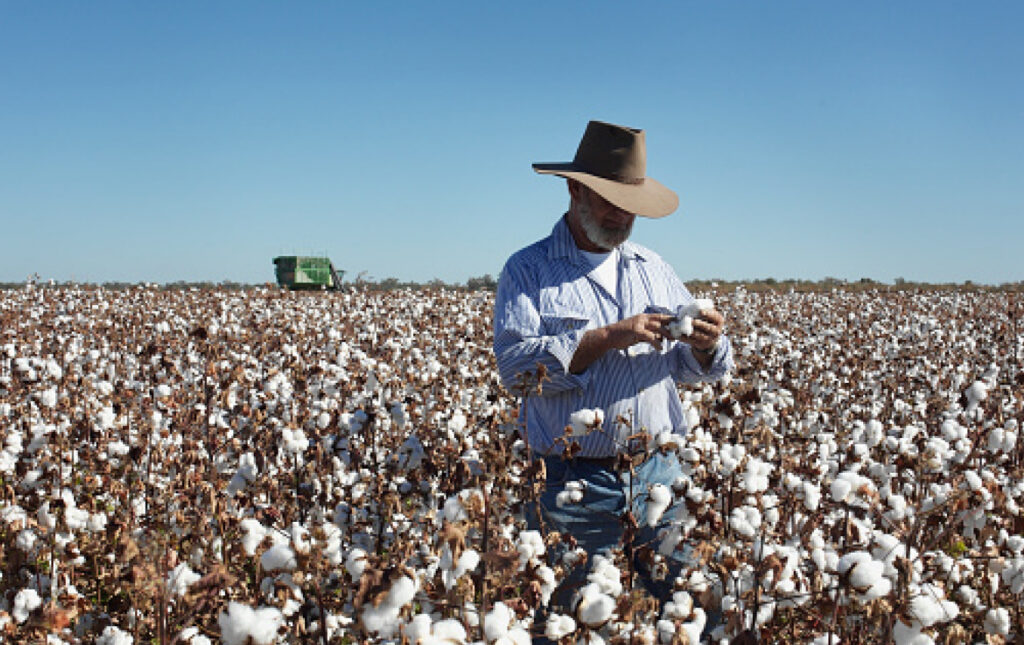
Our classing services are provided by Australian Classing Services (ACS), an accredited cotton classing facility that is managed entirely independently but is wholly owned by LDC, enabling supply chain efficiency for growers.

Accuracy & Efficiency
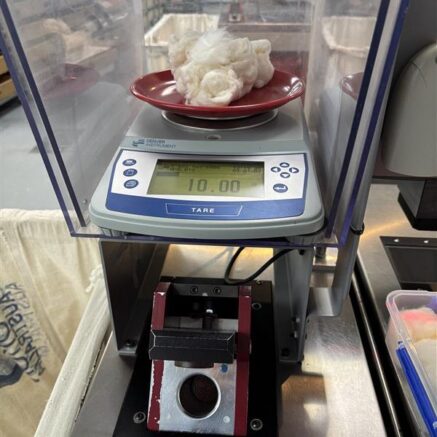
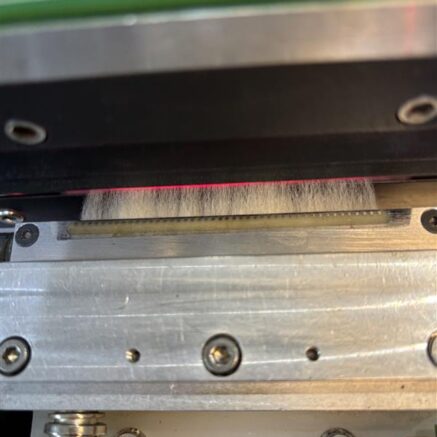
ACS provides cotton classing services to both LDC and other cotton processors across the nation. Their quality assessments combine the latest high-volume instrumentation (HVI) processes with human visual testing to accurately determine the class of cotton samples.
After classing each sample, associated data with quality characteristics is provided to LDC (or the relevant third party). This classing can then be used in warehousing, selling and shipping lint cotton to overseas markets, ensuring that growers get the right price for their product.
With an on-site classing room located at the Wee Waa complex, LDC gets cotton data faster, which allows growers to get their bales packed and paid for sooner.
Cotton Classing Characteristics
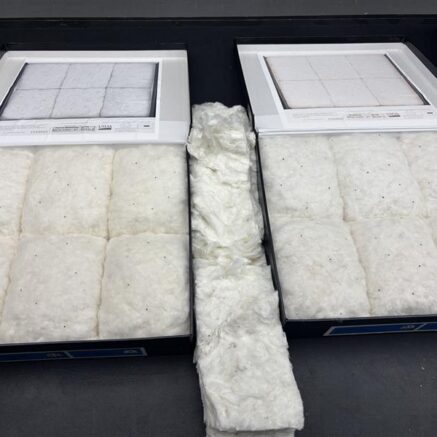
Color
Color
White is considered the best quality, while grey, yellow or brown discolorations indicate lesser quality.
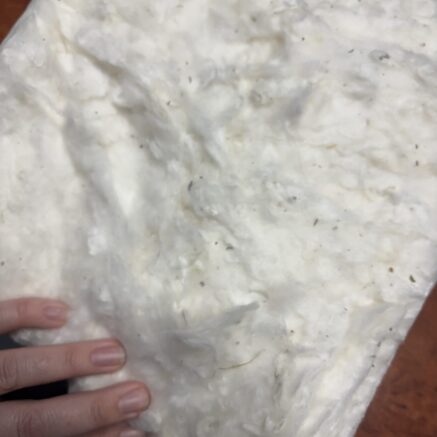
Leaf (trash) content
Leaf (trash) content
The amount of leaf particles remaining in the lint after ginning impacts cotton quality.
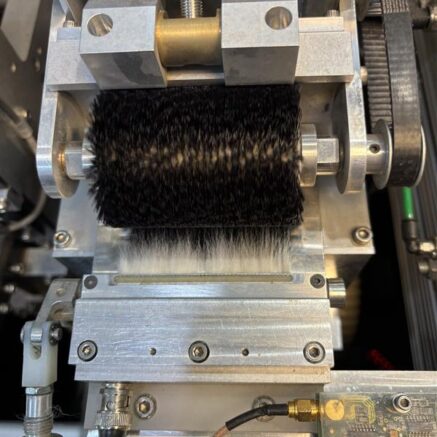
Staple length
Staple length
The length of individual cotton fibers, with longer staples generally resulting in finer, stronger yarns.
Micronaire
Micronaire
The fiber’s fineness and maturity, determined by resistance to air compression.
Strength
Strength
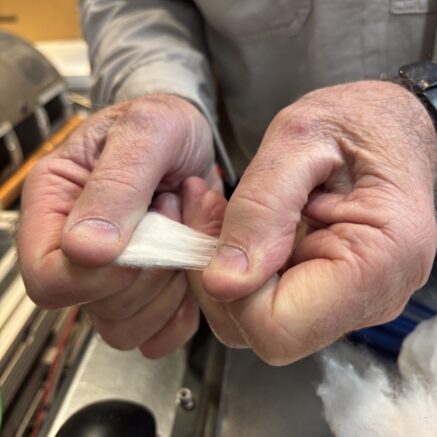
The force required to break a bundle of fibers, a crucial factor in determining suitability for different textile applications.
Our Locations
Find your nearest LDC gin, warehouse, office or handling site with our interactive map.
Locations